
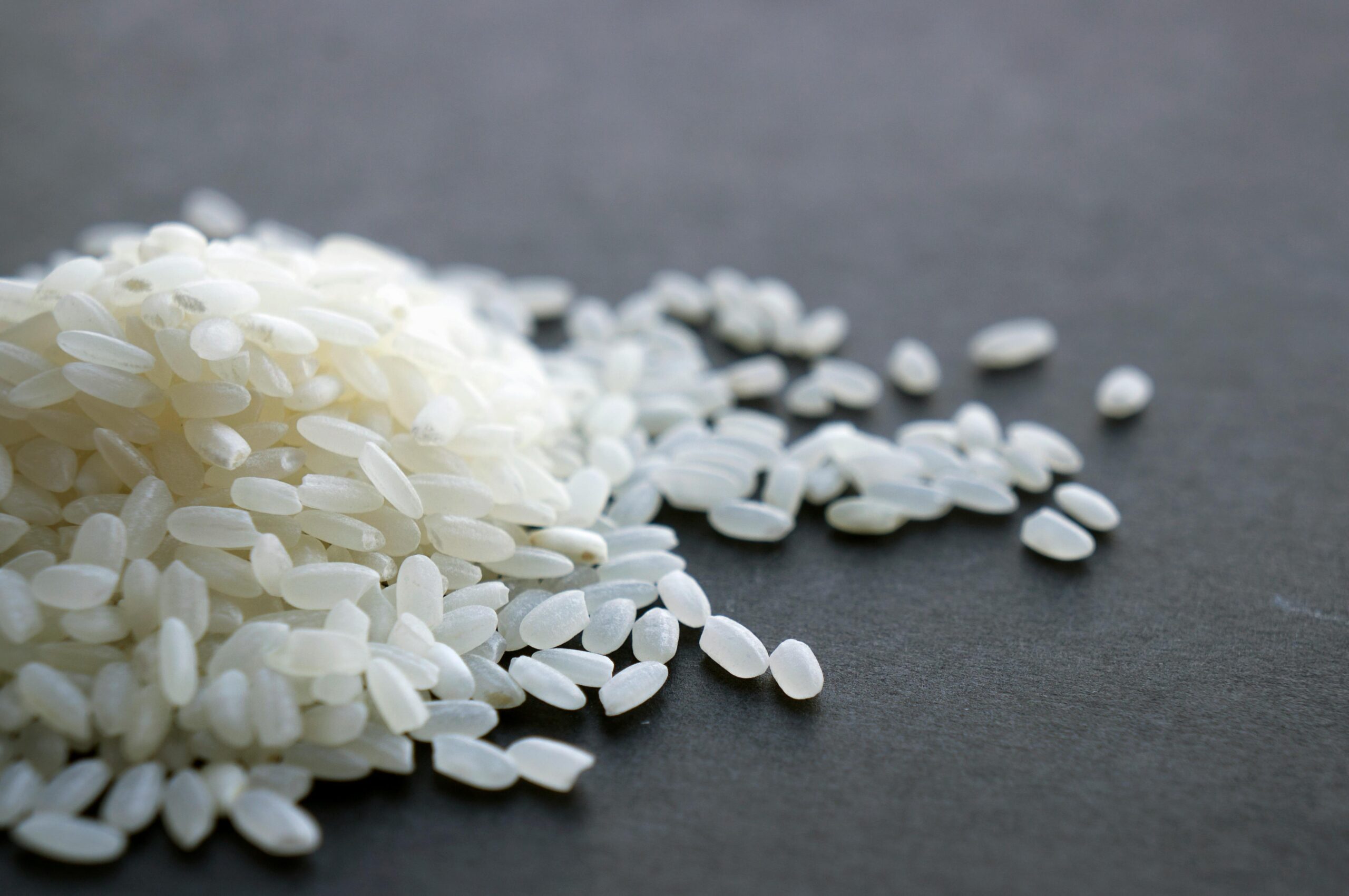
Dampfreis Explained: Benefits, Meaning & Uses
Rice has long been a cornerstone of global cuisine, nourishing billions of people every day. Yet beyond the familiar varieties lies a lesser-known grain that is steadily gaining recognition among chefs and home cooks alike. If you are searching for a way to refresh your weekly meal plan with something flavorful, nutritious, and versatile, dampfreis may be exactly what you need. This distinctive rice variety offers a satisfying texture, subtle nutty notes, and impressive health benefits that make it stand out from ordinary options. In this comprehensive guide, you will discover its origins, nutritional value, cooking methods, recipe ideas, and answers to commonly asked questions.
What Is Dampfreis?
dampfreis is a specialty rice variety known for its light steaming process before packaging, which enhances its texture and preserves nutrients. The name itself is often associated with the idea of “steam-prepared rice,” reflecting the unique treatment that sets it apart from conventional white or brown rice.
Unlike overly processed grains, this rice maintains a pleasant firmness while developing a slightly sticky consistency when cooked properly. This balance makes it ideal for dishes that require grains to hold together without becoming overly soft or mushy. The flavor is delicate yet mildly nutty, allowing it to complement a wide range of savory and sweet recipes.
Another defining characteristic is its remarkable ability to absorb surrounding flavors. Whether simmered in vegetable broth, paired with aromatic spices, or combined with fresh herbs, it acts as a flavorful foundation rather than a bland filler. This adaptability has contributed to its growing popularity in modern kitchens.
History and Origins
The roots of this rice variety trace back to Southeast Asia, where traditional agricultural practices emphasized gentle processing methods to retain flavor and nutritional value. Farmers discovered that partially steaming harvested grains before milling improved shelf life while maintaining structural integrity.
Over time, trade routes carried this preparation technique beyond its region of origin. Culinary traditions in various countries began integrating the grain into local dishes, appreciating its dependable texture and cooking consistency. Its spread was gradual but steady, especially in areas where rice-based meals are central to daily life.
Today, increased global interest in whole foods and minimally processed ingredients has renewed attention toward heritage grains. As more consumers seek quality over quantity, specialty rice varieties like this one have found a welcome place in contemporary cooking.
Nutritional Benefits of Dampfreis
One of the primary reasons people are turning to dampfreis is its nutritional profile. Because of its careful processing method, it tends to retain more essential nutrients compared to heavily refined white rice.
This rice is a good source of complex carbohydrates, providing sustained energy rather than quick spikes and crashes. Its moderate fiber content supports digestive health and promotes a feeling of fullness, which can assist in balanced eating habits.
Additionally, it contains important micronutrients such as B vitamins, magnesium, and small amounts of iron. B vitamins play a key role in energy metabolism, while magnesium supports muscle and nerve function. These elements contribute to overall wellness when included as part of a varied diet.
Another advantage is its relatively balanced glycemic response compared to highly polished rice varieties. For individuals mindful of blood sugar management, incorporating this grain into meals can be a practical choice when paired with proteins and vegetables.
Finally, whole-grain antioxidants found in minimally processed rice varieties may help combat oxidative stress in the body. While rice alone is not a miracle food, choosing nutrient-preserving options can positively influence long-term health.
Cooking Tips for Perfect Results
Preparing dampfreis properly is essential to unlocking its full potential. Fortunately, it is simple to cook with the right technique.
Start by rinsing the rice thoroughly under cold water. This removes excess surface starch and helps achieve a balanced texture. Soaking the grains for 20 to 30 minutes before cooking can further improve consistency and reduce overall cooking time.
A standard ratio of one cup of rice to one and a half cups of water works well in most cases. Bring the mixture to a gentle boil, then reduce the heat to low and cover the pot tightly. Allow it to simmer until the liquid is absorbed, usually within 15 to 20 minutes. After cooking, let the rice rest for five minutes before fluffing with a fork.
For added flavor, substitute water with vegetable or chicken broth. You can also infuse the cooking liquid with bay leaves, garlic, or a pinch of turmeric. Avoid excessive stirring during cooking, as this may cause clumping.
Steaming is another excellent preparation method. Using a rice cooker with a steam function ensures even heat distribution and consistent results. Baking the rice in a covered dish is also effective for larger batches.
Versatility in Everyday Recipes
One of the most appealing qualities of this rice variety is its adaptability. It transitions effortlessly from simple side dishes to elaborate main courses.
In savory applications, it pairs beautifully with stir-fried vegetables, grilled meats, and tofu. Its slightly sticky texture makes it suitable for rice bowls layered with fresh greens, sauces, and proteins. It also works well in stuffed vegetables such as bell peppers or zucchini.
For heartier meals, consider using it in risotto-style dishes. While not identical to arborio rice, its ability to absorb broth allows it to develop a creamy texture when stirred gradually with warm stock.
Cold rice salads benefit from its firm bite. Toss cooked and cooled grains with cherry tomatoes, cucumbers, olive oil, lemon juice, and herbs for a refreshing dish.
Sweet recipes are equally promising. Rice pudding made with coconut milk and a touch of honey highlights its subtle nuttiness. You can also incorporate it into breakfast bowls with fruit and nuts for a wholesome start to the day.
Where to Buy and Availability
As interest in specialty grains continues to grow, dampfreis is becoming easier to find. While it may not always appear in standard supermarket aisles, specialty grocery stores and Asian markets often carry it.
Online retailers are another convenient option, offering various package sizes and brands. When purchasing, look for clear labeling that describes the steaming or minimal processing method to ensure authenticity.
Local organic food stores and cooperative markets sometimes stock heritage grains sourced from small-scale producers. Buying from reputable suppliers guarantees better quality and freshness.
Storing the rice in an airtight container in a cool, dry place will help maintain its flavor and texture for extended periods.
Why You Should Add It to Your Diet
Adding dampfreis to your pantry introduces both culinary excitement and nutritional variety. Its balanced texture, pleasant taste, and compatibility with numerous cuisines make it an excellent alternative to conventional rice.
For individuals seeking diversity in their meals, experimenting with new grains prevents menu fatigue. The subtle complexity of this rice can transform everyday recipes into memorable dining experiences.
Health-conscious cooks will appreciate its nutrient retention and moderate fiber content. When combined with vegetables, lean proteins, and healthy fats, it contributes to satisfying and well-rounded meals.
Moreover, using specialty grains supports agricultural diversity and encourages sustainable farming practices. Exploring beyond common staples broadens both your palate and your appreciation for global food traditions.
FAQs
Is Dampfreis healthier than white rice?
Yes, it can be healthier than heavily refined white rice because it retains more nutrients due to its gentle processing method. It typically contains more fiber and micronutrients, supporting digestion and steady energy levels.
How do you cook Dampfreis properly?
Rinse the rice thoroughly, soak briefly, and cook using a one-to-one-and-a-half rice-to-water ratio. Simmer on low heat until the liquid is absorbed, then let it rest before fluffing. Using broth instead of water enhances flavor.
Can Dampfreis be used in desserts?
Absolutely. Its mild nuttiness and tender texture make it suitable for rice pudding, sweet breakfast bowls, and baked goods. Pairing it with coconut milk, cinnamon, or fresh fruit creates delicious results.
Is Dampfreis suitable for meal prep?
Yes. It stores well in the refrigerator for several days and reheats easily without losing texture. Its firm consistency helps prevent it from becoming overly soft after reheating.
Where can I buy Dampfreis?
It is commonly available at specialty grocery stores, Asian markets, organic food shops, and online retailers. Checking product descriptions ensures you are purchasing the authentic steamed variety.
Conclusion
Exploring new ingredients is one of the most rewarding aspects of cooking, and this distinctive rice variety offers an exciting opportunity to expand your culinary horizons. From its Southeast Asian origins to its growing global presence, it represents a blend of tradition and modern nutrition awareness. With its appealing texture, subtle flavor, and impressive versatility, it fits seamlessly into both simple meals and gourmet creations. Whether you are focused on health, taste, or creativity in the kitchen, incorporating dampfreis into your routine can elevate everyday dishes into something truly special.
